


For homeowners in Clapham, a loft conversion is one of the most compelling investments a property can make. It takes what is often an underused, forgotten space at the top of the house and transforms it into something that genuinely changes how the home functions — an extra bedroom, a private study, a bathroom that the whole household stops fighting over. Done properly, it adds significant value to the property and redefines the quality of daily life within it.
At SM & Sons Construction we work with a carefully selected number of homeowners across Clapham and south west London each year, delivering loft conversions that are built to the highest standard from the first fix to the final finish. This guide covers everything you need to know — from the types of loft conversion available to costs, planning permission and what the process looks like from start to finish.
Why Clapham Homeowners Are Choosing Loft Conversions
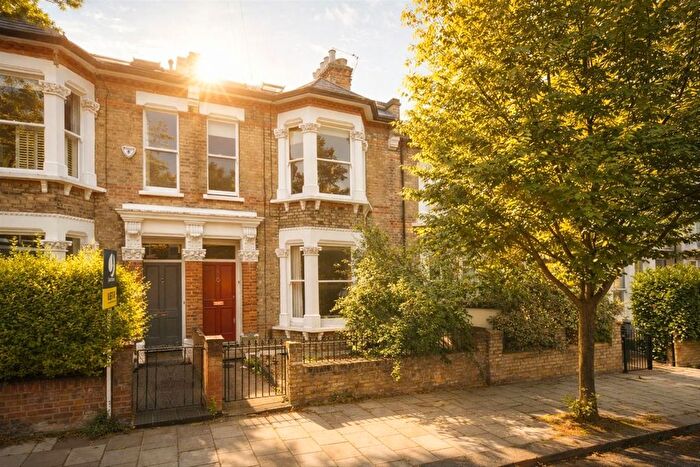
Clapham’s streets are lined with Victorian and Edwardian terraces — characterful, well-proportioned homes that were built long before the demands of modern family life. Many of them have loft spaces sitting entirely unused, waiting to be transformed into something meaningful.
With property prices in Clapham remaining significant and the cost and disruption of moving ever increasing, extending upward has become the logical choice for homeowners who need more space but love where they live. The result, when the work is done well, is a home that feels completely reimagined without having to leave the street, the neighbours or the neighbourhood behind.
Types of Loft Conversion in Clapham
Dormer Loft Conversion
The most popular loft conversion type in Clapham, and for good reason. A dormer extends the existing roof structure outward, creating a full height space with vertical walls and a flat or pitched roof above. The additional headroom and floor area a dormer provides makes it the most practical and versatile option for the majority of Victorian and Edwardian properties in the area. The result is a proper room, not a characterful but awkward sloped space, a full, usable floor that functions exactly like any other room in the house.
Hip to Gable Loft Conversion
Many of Clapham’s semi-detached and end of terrace properties have a hipped roof — one that slopes on all four sides rather than having a vertical gable end wall. A hip to gable conversion replaces that sloping side with a vertical wall, dramatically increasing the internal volume and making the loft far more practical as a living space. Often combined with a rear dormer for maximum impact.
Mansard Loft Conversion
The most substantial and architecturally significant loft conversion type. A mansard involves replacing the entire rear roof slope with a near-vertical wall at approximately 72 degrees, creating the maximum possible internal space and a result that from the inside feels more like a full additional storey than a converted loft. Mansard conversions are common in Clapham’s period terraces and when done well are architecturally beautiful additions to the roofline.
Velux or Rooflight Loft Conversion
Where the existing loft already has sufficient headroom a Velux conversion — which involves adding roof windows without altering the roof structure — is the most straightforward and cost effective option. No structural changes to the roofline means planning permission is rarely required and the construction period is significantly shorter. The limitation is that the sloping walls and ceiling remain, which suits certain uses like a bedroom or home office better than others.
How Much Does a Loft Conversion Cost in Clapham?
Loft conversion costs in Clapham reflect the complexity of the conversion type, the specification of finishes and the specific characteristics of the property. As a general guide:
Velux or rooflight conversion: £25,000 – £40,000 Dormer loft conversion: £45,000 – £75,000 Hip to gable conversion: £55,000 – £85,000 Mansard loft conversion: £75,000 – £120,000+
These figures typically include structural works, roofing, insulation, windows, first and second fix works and plastering. Staircases, bathrooms and specialist finishes are generally costed separately depending on the level of specification.
As with any significant construction project, these figures are starting points rather than fixed prices. Every property has its own characteristics, access considerations and structural requirements that affect the final cost. A thorough site visit and properly considered specification are the only reliable foundation for an accurate quote and the detail of that quote tells you a great deal about the builder providing it.
Planning Permission in Clapham
Many loft conversions in Clapham fall within permitted development rights, meaning planning permission may not be required. Whether this applies to your project depends on several factors:
The type and size of the conversion — Velux conversions almost always fall within permitted development while larger dormers and mansards may not.
Whether your property is in a conservation area — parts of Clapham fall within conservation areas where permitted development rights are restricted or removed. This is particularly relevant for properties close to Clapham Old Town and Clapham Common.
Whether your property is a listed building — listed buildings require listed building consent for any works that affect the character of the building, including loft conversions.
Even where planning permission is not required, building regulations approval is always mandatory. This covers structural integrity, fire safety, insulation standards, means of escape and staircase design — all of which must meet current building regulations regardless of the planning position.
We always advise homeowners to establish their planning position clearly before committing to building work. Getting this right at the outset avoids costly surprises later in the project.
How Long Does a Loft Conversion Take?
Timelines vary depending on the type and complexity of the conversion, but a typical Clapham loft conversion follows this general structure:
Design and planning: 6 – 10 weeks Velux conversion construction: 4 – 6 weeks Dormer conversion construction: 8 – 12 weeks Mansard conversion construction: 12 – 16 weeks
Factors that affect these timelines include structural complexity, party wall agreements with neighbours, access to the property and material lead times. An experienced construction team will plan and communicate these variables clearly from the beginning — not encounter them as surprises midway through the project.
Will a Loft Conversion Add Value to My Property?
A well designed and properly built loft conversion consistently adds meaningful value to properties in Clapham. The addition of an extra bedroom — particularly a master bedroom with an en suite — can increase property value by significantly more than the cost of the conversion itself, making it one of the strongest performing home improvements in terms of return on investment.
The key word, as always, is properly built. A loft conversion that has been rushed, under-specified or poorly executed will not deliver that return. Quality of construction, quality of finish and quality of design all matter enormously — both to the value added and to how the space feels to live in every single day.
Frequently Asked Questions
Do I need a party wall agreement for a loft conversion in Clapham?
If your loft conversion involves work on or close to a shared wall with a neighbouring property — which is common in Clapham’s terraced streets — a party wall agreement will likely be required under the Party Wall Act 1996. This is a legal requirement and not something to overlook. An experienced builder will flag this early and help you navigate the process.
Can I stay in my house during a loft conversion?
In most cases yes. Loft conversions are generally less disruptive than ground floor extensions because the majority of the structural work happens at roof level. There will be periods of noise, dust and disruption and some homeowners choose to make alternative arrangements during the most intensive phases, but living in the property throughout is usually entirely manageable.
How much headroom do I need for a loft conversion?
As a general rule you need a minimum of 2.2 metres from the floor joists to the ridge of the roof to make a loft conversion viable. If your existing loft does not meet this minimum a dormer or mansard conversion can create the additional height needed. A site visit is the only reliable way to assess this properly.
Do I need an architect for a loft conversion?
Not always, but for anything beyond a straightforward Velux conversion we would strongly recommend involving an architect or architectural designer. Good design at the planning stage makes a significant difference to how the finished space functions and feels — and to its long term value.
Planning a Loft Conversion in Clapham?
If you are considering a loft conversion in Clapham including SW4 and SW11, as well as the surrounding areas of Battersea, Wandsworth and Brixton and want it delivered to a standard that will stand for generations, we would love to hear about your project.
We take on a select number of projects each year — chosen because we know we can do something exceptional with them. If yours sounds like one of them, get in touch and let’s find out.