



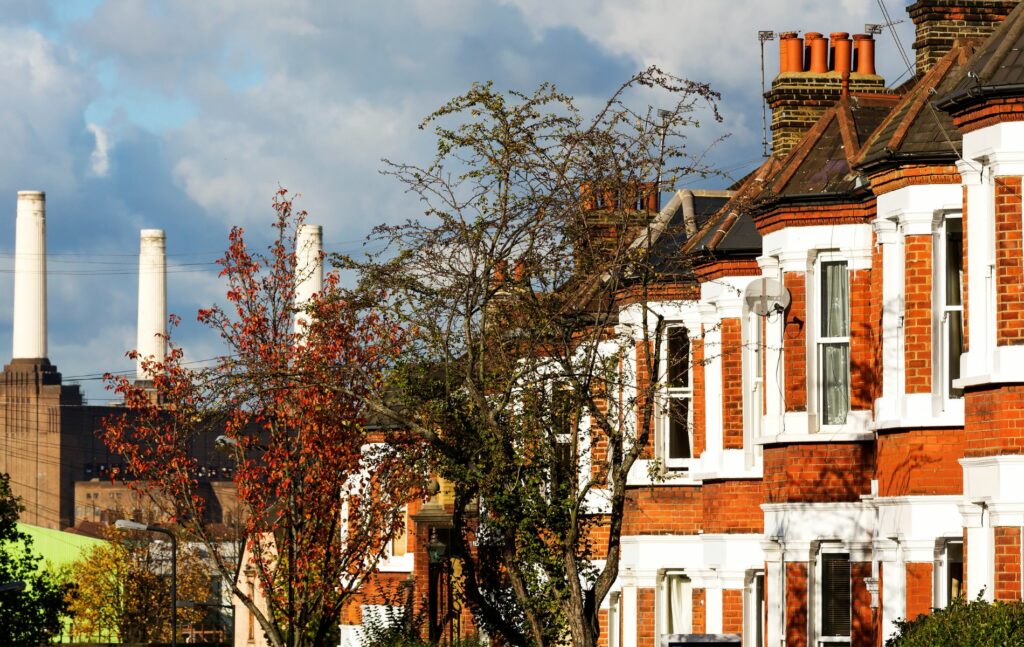
A home renovation in Battersea is one of the most significant investments a homeowner can make. Not just financially but emotionally. You are not simply updating a property. You are reimagining how you live within it, transforming spaces that have perhaps felt tired or disconnected into something that genuinely reflects the way your life works today.
Done properly, a full home renovation can be a profoundly rewarding process. Done poorly, it can be one of the most stressful experiences a homeowner will encounter. The difference between the two almost always comes down to one thing – the quality of the team you choose and the rigour of the process they bring with them.
At SM & Sons Construction we work with a carefully selected number of homeowners across Battersea and south west London each year, delivering renovations that are planned meticulously, executed with precision and finished to a standard that endures. This guide covers everything you need to know about undertaking a home renovation in Battersea, from the initial planning stages through to completion and handover.
Why Battersea Homeowners Are Choosing to Renovate
Battersea has undergone a remarkable transformation over the past decade. The regeneration around Battersea Power Station, the arrival of the Northern Line extension and consistent demand from buyers seeking well connected south west London addresses have made property in the area increasingly valuable. For homeowners already established here, this creates a compelling case for investing in the property they have rather than moving on.
Battersea’s housing stock is diverse. Victorian and Edwardian terraces sit alongside post-war conversions, purpose-built flats and newer developments. Many of these properties have significant unrealised potential. A thoughtful full renovation can unlock that potential entirely, creating a home that functions beautifully for modern life while preserving the period character that makes Battersea properties so desirable in the first place.
What Does a Full Home Renovation in Battersea Actually Involve?
The scope of a home renovation varies considerably depending on the condition of the property, the ambitions of the homeowner and the budget available. At its most comprehensive a full renovation might include:
Structural alterations such as removing internal walls to create open plan layouts or adding steel beams to open up the ground floor. Updating all mechanical and electrical systems, rewiring throughout, plumbing, installing new heating systems and potentially underfloor heating. Complete internal refurbishment including new plasterwork, flooring, joinery and decoration throughout. Kitchen and bathroom renovations to a full specification. External works such as new windows, doors, rendering or brickwork repairs.
Less comprehensive renovations might focus on specific areas, a full kitchen and bathroom renovation combined with new flooring and decoration throughout for example, while leaving the structural fabric of the property largely untouched.
Understanding exactly what your renovation will involve from the outset is one of the most important steps in the process. Vague scopes of work lead to vague quotes, unexpected costs and disputes down the line. A properly specified renovation with a detailed schedule of works and an itemised quote is the foundation everything else is built on.
The Renovation Process: Stage by Stage
Stage One — Initial Consultation and Feasibility
Every renovation we take on begins with a thorough site visit and consultation. This is where we assess the condition of the property, understand your vision for the finished result and establish what is structurally and practically feasible within your budget. At this stage we are listening as much as advising, understanding your priorities, your lifestyle and the way you want the home to feel when the work is complete.
Stage Two — Design and Specification
For more complex renovations involving structural alterations or significant layout changes, involvement of an architect or architectural designer at this stage is strongly recommended. Good design is not simply about aesthetics. It is about ensuring the space works properly for the people who live in it. A well considered design at this stage saves significant money and frustration later by eliminating costly changes mid-build.
Once the design is agreed a detailed specification is produced, a comprehensive document that describes exactly what materials, products and methods will be used throughout the project. This specification forms the basis of your quote and your contract, and ensures everyone is working from the same clearly understood brief.
Stage Three — Planning and Building Regulations
Most internal renovation works do not require planning permission. However any structural alterations, changes to the external appearance of the property or works to a listed building will require either planning permission or listed building consent. Battersea has several conservation areas where additional restrictions may apply.
Building regulations approval is required for structural works, electrical rewiring, plumbing alterations, new heating systems and certain other works regardless of whether planning permission is needed. This is not optional and any competent construction company will manage this process as a matter of course.
Stage Four — Pre-Construction
Before work begins on site a programme of works is agreed, a detailed week by week schedule that maps out every phase of the build in sequence. Party wall notices are served where required. Materials are ordered with sufficient lead time. Temporary protection is put in place for areas of the property not being renovated. A clear communication plan is agreed so you always know what is happening and when.
This stage is where the quality of your construction company becomes apparent before a single tool is picked up. A team that plans thoroughly at this stage will deliver a build that runs more smoothly, encounters fewer surprises and finishes closer to programme than one that simply turns up and starts work.
Stage Five — Construction
The construction phase of a full home renovation typically follows this sequence: strip out and demolition first, then any structural works including steel installation, followed by first-fix mechanical and electrical, then insulation and plasterboard, plastering, second-fix mechanical and electrical, tiling, joinery and specialist finishes, decoration and finally flooring as the last element to protect it from damage during the earlier phases.
How long this takes depends entirely on the scope. A focused renovation of a two bedroom flat might take eight to twelve weeks. A comprehensive full renovation of a larger Battersea Victorian terrace could take twenty to thirty weeks or more. A realistic programme agreed at the outset, and a team that communicates proactively when anything changes, is what separates a well managed project from a stressful one.
Stage Six — Snagging and Handover
As the project approaches completion a thorough snagging process is carried out, a systematic review of every element of the finished work to identify and rectify anything that does not meet the agreed specification. This is not an afterthought. It is a critical part of the process and a company that takes snagging seriously is one that takes quality seriously.
At handover you receive a complete set of documentation including all building regulations certificates, guarantees for installed systems and products, and any relevant warranties. Your home is handed back to you clean, complete and ready to live in.
How Much Does a Home Renovation Cost in Battersea?
Renovation costs in Battersea vary considerably depending on the scope, specification and condition of the property. As a general guide:
Light refurbishment — new decoration, flooring and bathroom throughout: £30,000 – £60,000 Mid-range renovation including kitchen, bathrooms and some structural works: £60,000 – £120,000 Full comprehensive renovation with structural alterations and high specification finishes: £120,000 – £300,000+
These figures are starting points rather than fixed prices. The condition of the existing fabric of the building, the level of specification chosen for finishes and the complexity of any structural works all significantly affect the final cost. For a accurate gauge on costing you would need a quote tailored to your project.
What we would always caution against is choosing a builder based on the lowest quote. In renovation work particularly, a low quote almost always reflects either an incomplete scope, meaning costs will rise significantly once work is underway, or a level of quality that will become apparent only when it is too late to do anything about it. A detailed, transparent and properly itemised quote from a builder who has taken the time to understand your project fully is worth considerably more than a vague low number.
Planning Permission and Building Regulations for Battersea Renovations
As noted above, most internal renovation works do not require planning permission. The exceptions include structural alterations that affect the external appearance of the property, works within conservation areas, works to listed buildings and any change of use.
Battersea falls within the London Borough of Wandsworth. The Wandsworth planning portal is the correct resource for confirming whether your specific works require consent and for checking whether your property sits within a conservation area or is listed.
Building regulations approval is a separate requirement and applies to a broader range of works than planning permission. Your construction company should manage the building regulations process on your behalf, submitting the necessary applications and ensuring all works are inspected and signed off at the relevant stages.
We work with homeowners across Battersea including SW11 and SW8, as well as the surrounding areas of Clapham, Balham and Wandsworth, helping guide them throughout the whole process.
Frequently Asked Questions
Can I stay in my home during a full renovation?
It depends on the scope. For focused renovations of specific areas, a kitchen renovation or a bathroom refurbishment, living in the property throughout is usually entirely manageable with some temporary disruption. For comprehensive full renovations involving structural works, rewiring and plumbing throughout, many homeowners choose to make alternative arrangements for part or all of the construction phase. We discuss this honestly at the planning stage so there are no surprises.
How do I avoid unexpected costs during a renovation?
The single most effective protection against unexpected costs is a detailed, properly itemised scope of works and quote agreed before works begin. Variations, changes to the agreed scope during the build, are the primary cause of cost overruns in renovation projects. Every variation should be documented and costed in writing before the work is carried out. A builder who agrees to changes verbally without documentation is creating risk for both parties.
How do I know if a builder is trustworthy?
Look for evidence of completed work rather than just promises. Ask to visit a finished project. Read reviews carefully and note whether they are specific and detailed or generic. Assess how the company communicates during the sales process, a company that is thorough, responsive and transparent before you have signed anything is very likely to be the same once you have. A company that is vague, slow to respond or reluctant to provide documentation is showing you exactly how they will operate on site.
Do I need an architect for a home renovation?
For straightforward renovations without structural alterations an architect is not always necessary. For anything involving layout changes, structural works or planning permission, involving an architect or architectural designer early in the process is strongly recommended. Good design adds value that far exceeds its cost.
Planning a Home Renovation in Battersea?
If you are considering a home renovation in Battersea and want to work with a team that will bring the same care, precision and ambition to your home that you do, we would love to hear about your project.
We take on a select number of projects each year, chosen because we know we can do something truly exceptional with them. If yours sounds like one of them, get in touch and let us find out together.