



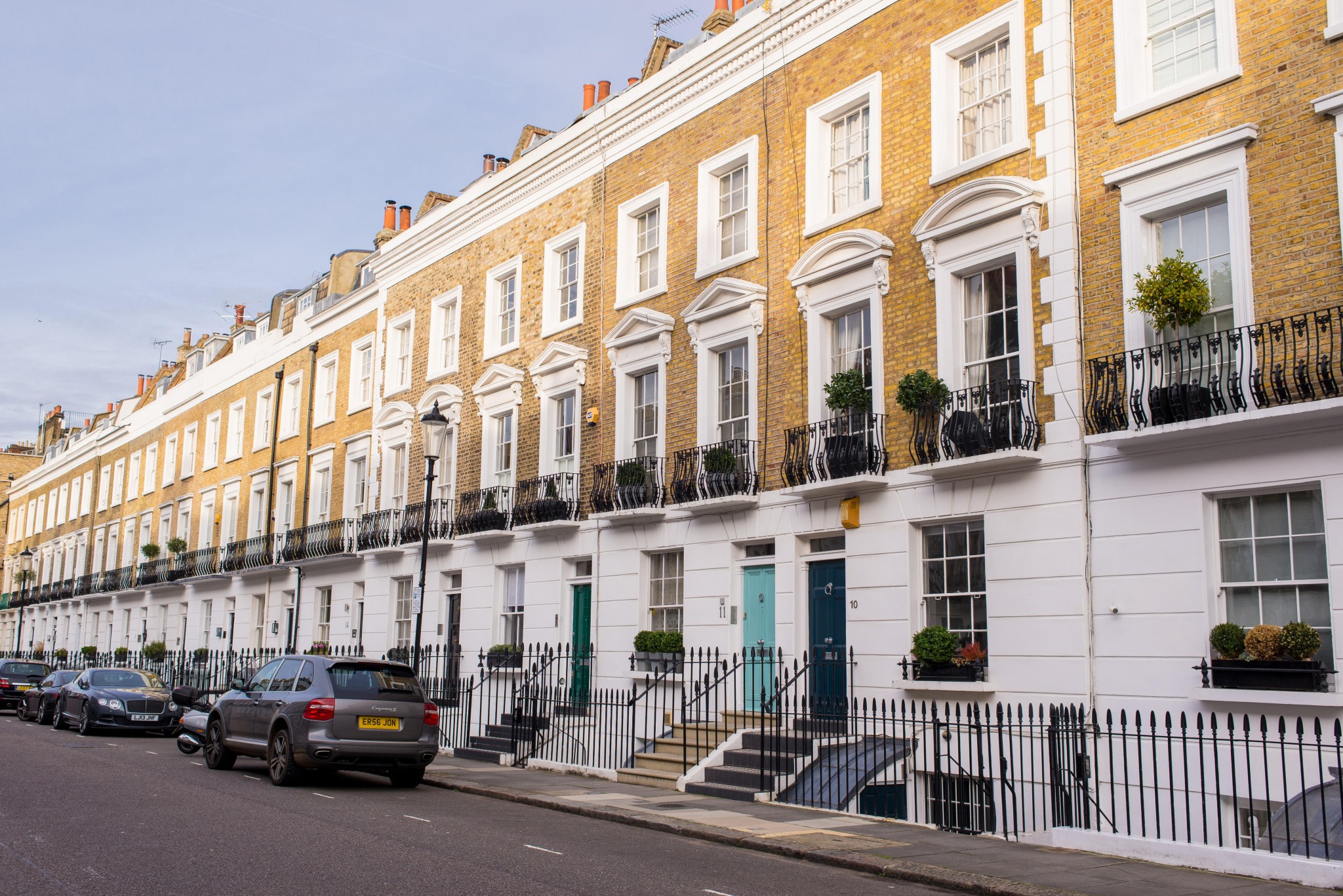
In Chelsea, building a basement conversion is often the smartest decision a homeowner can make. With some of the highest property values in London and a housing stock dominated by beautiful but space-constrained Victorian and Georgian terraces, the option to extend upward or outward is frequently limited by planning restrictions, conservation area constraints or simply the geometry of the plot. Building downwards offers something none of those alternatives can. Significant additional space created entirely beneath the existing footprint of the home, with no impact on the garden, the roofline or the character of the street.
At SM & Sons Construction we work with a carefully selected number of homeowners across Chelsea and south west London each year, delivering basement conversions that are engineered to the highest standard and finished with the care and precision these exceptional homes deserve. This guide covers everything you need to know about undertaking a basement conversion in Chelsea, from costs and design considerations through to the regulatory requirements and what the construction process involves.
Why Basement Conversions Are So Popular in Chelsea
Chelsea’s period properties are among the most desirable in London. Their Italianate stucco facades, generous ceiling heights and elegant proportions attract buyers who want to live well in one of the capital’s most coveted postcodes. The challenge is that these same properties, built for a different era, rarely have enough space for the demands of modern family life.
Moving is rarely the answer. The combination of stamp duty, agents fees, legal costs and the simple disruption of leaving a home and neighbourhood you love makes staying and investing in the existing property a far more compelling proposition for most Chelsea homeowners.
A well designed basement conversion adds not just space but a fundamentally new dimension to the home. A lower ground floor level that can house anything from a cinema room or wine cellar to a gym, a guest suite, a home office or a self-contained annex. The addition consistently adds value that significantly exceeds the cost of the works, making it one of the strongest performing investments available to Chelsea homeowners.
Types of Basement Conversion in Chelsea
Basement Dig Down
The most common type of basement conversion in Chelsea involves excavating beneath the existing ground floor slab to create a new lower ground floor level. This is typically done where a property has an existing cellar or void beneath the ground floor that can be deepened and converted into habitable space. The structural complexity of this work is significant, temporary works are required to support the existing structure during excavation, but the result can be transformative.
Full Basement Excavation
Where no existing cellar or void exists a full basement excavation creates an entirely new level beneath the property from scratch. This is the most ambitious and complex form of basement conversion and requires careful structural engineering, specialist underpinning techniques and meticulous waterproofing. When done by an experienced and competent team the results are exceptional. A full additional floor of living space that feels completely integrated into the rest of the home.
Basement Conversion with Lightwell
Introducing a lightwell, an excavated external void that allows natural light and air into the basement — dramatically improves the quality of the finished space. A well designed lightwell transforms what might otherwise feel like a subterranean room into a bright, airy and genuinely pleasant living environment. In Chelsea where garden space is often limited a thoughtfully designed lightwell can actually enhance the external appearance of the property as well as the interior.
Side Return Basement Extension
Some Chelsea properties have the opportunity to combine a side return extension at ground level with a basement conversion below, creating additional space across two levels simultaneously. This approach maximises the return from a single construction project and can be particularly effective in maximising the ground floor footprint of a narrow terrace.
How Much Does a Basement Conversion Cost in Chelsea?
Basement conversions are among the most technically complex and therefore most costly forms of residential construction. In Chelsea where site access is often challenging and properties are of significant value requiring careful protection throughout the works, costs reflect this complexity.
As a general guide:
Basic cellar conversion to habitable space: £50,000 – £100,000 Full basement dig down with lightwell: £100,000 – £200,000 Full basement excavation from scratch: £150,000 – £300,000+ Basement with full fit out to high specification: £200,000 – £400,000+
These figures include structural works, waterproofing, mechanical and electrical installation and first and second fix works. Specialist finishes, bespoke joinery and high specification fit out are generally costed separately depending on the level of specification involved.
As with any complex construction project these are starting points rather than fixed prices. Every property in Chelsea presents its own structural characteristics, access challenges and ground conditions that directly affect the cost.
A thorough structural survey and detailed site assessment are essential before any meaningful figure can be provided.
Planning Permission and Regulations for Basement Conversions in Chelsea
Basement conversions in Chelsea are subject to a specific and often complex regulatory framework. Understanding this framework before committing to a project is essential.
Planning Permission
Whether planning permission is required depends on the nature and extent of the works. Many basement conversions that do not alter the external appearance of the property may fall within permitted development. However Chelsea falls within the Royal Borough of Kensington and Chelsea which has introduced specific basement development policies in response to the high volume of basement projects in the area. These policies impose restrictions on the size of basement extensions, their impact on neighbouring properties and the methods of construction used.
Properties within conservation areas, which cover significant parts of Chelsea, face additional restrictions. Listed buildings require listed building consent for any works that affect the character of the building including basement conversions.
We always advise Chelsea homeowners to seek pre-application planning advice from the Royal Borough of Kensington and Chelsea before committing to a basement design. This process provides early clarity on what will and will not be permitted and can save significant time and cost further down the line.
Party Wall Act
Basement conversions in Chelsea almost always trigger the Party Wall Act 1996. Any excavation within three to six metres of a neighbouring property’s foundations requires a party wall notice to be served and in most cases a party wall agreement to be in place before works can commence. In a terrace of period properties, which describes much of Chelsea, this typically means serving notices on multiple neighbours simultaneously. The process takes a minimum of two months and should be factored into the project programme from the outset.
Building Regulations
Building regulations approval is mandatory for all basement conversion works regardless of planning position. This covers structural integrity, waterproofing standards, ventilation, fire safety, means of escape and energy efficiency. A specialist structural engineer is required for all basement projects and their calculations must be submitted as part of the building regulations application.
Waterproofing
Waterproofing a basement conversion to the required standard is one of the most critical elements of the entire project. The consequences of inadequate waterproofing such as damp, water ingress and structural damage are severe and expensive to rectify. The industry standard for basement waterproofing is BS 8102 which sets out the requirements for protecting below ground structures from water ingress. A competent construction company will engage a specialist waterproofing consultant and implement a system that meets or exceeds this standard as a matter of course.
How Long Does a Basement Conversion Take in Chelsea?
Basement conversions are among the longest programmes of any residential construction project. As a general guide:
Pre-construction including planning, party wall and structural design: 3 – 6 months. Basic cellar conversion construction phase: 3 – 4 months, full dig down or excavation construction phase: 6 – 12 months
The pre-construction phase is often underestimated by homeowners and it is important to factor this into your overall timeline from the outset. A project that begins with pre-application planning advice in January may not break ground until the summer at the earliest.
The SM & Sons Approach to Basement Conversions
We take on very few basement conversion projects each year. The complexity of this type of work demands it, a basement conversion done poorly is not just aesthetically disappointing, it is structurally dangerous and potentially catastrophic for the property above it. We only take on basement projects we are confident we can deliver to the highest standard and we bring the same complete focus and attention to detail to every one that we bring to all of our work.
Our approach begins with a thorough assessment of the property and a frank conversation about what is feasible, what is realistic and what the process will genuinely involve. We believe homeowners deserve honest advice from the outset rather than optimistic promises that unravel once work is underway.
Frequently Asked Questions
Will a basement conversion add value to my Chelsea property?
A well designed and properly executed basement conversion consistently adds significant value to Chelsea properties, often more than the cost of the works themselves given the premium that additional square footage commands in this postcode. The key words are: well designed and properly executed. A basement conversion that has been poorly planned, inadequately waterproofed or finished to a low standard will not deliver that return and may actually create liabilities that affect the saleability of the property.
How disruptive is a basement conversion to live through?
Significantly. A full basement excavation is one of the most disruptive forms of residential construction — involving heavy plant, substantial spoil removal, temporary propping of the existing structure and extended periods of noise and vibration. Most homeowners undertaking a full basement excavation choose to vacate the property for the duration of the structural phase at minimum. This should be planned and budgeted for from the outset.
Do I need a specialist structural engineer?
Yes without exception. Basement conversions involve complex geotechnical and structural considerations that require specialist expertise. No reputable construction company will undertake basement work without a structural engineer’s involvement and any company that suggests otherwise should be treated with extreme caution.
How do I ensure the waterproofing is done correctly?
Ask your construction company specifically which waterproofing system they are specifying, whether it meets BS 8102 and whether a specialist waterproofing consultant has been involved in its design. A robust system will typically involve a combination of structural waterproofing, a cavity drain membrane system and appropriate drainage. Ask for the warranty documentation for the waterproofing system, a properly installed system from a reputable manufacturer should carry a long term guarantee.
Planning a Basement Conversion in Chelsea?
If you are considering a basement conversion in Chelsea and want to work with a team that will approach it with the rigour, expertise and care it demands, we would love to hear about your project.
We work with homeowners across Chelsea including SW3 and SW10, which is also where we are based, as well as the surrounding areas of Fulham, Kensington and South Kensington.
We take on a select number of projects each year, chosen because we know we can do something truly exceptional with them. If yours sounds like one of them, get in touch and let’s find out.